
Chemistry supports modern farming by improving productivity and protecting crops. This page covers key chemicals, examples, environmental concerns, and practice questions. यह पृष्ठ उर्वरक, कीटनाशक, जुताई-विरोधी, फफूंदनाशक, और विकास नियामकों को समझाता है।Contents / सूचि
1. Fertilizers / उर्वरक
Fertilizers supply essential nutrients to soil or plants and boost yield. उर्वरक मिट्टी या पौधों को आवश्यक पोषक तत्व देते हैं और उत्पादन बढ़ाते हैं।
- Macronutrients: Nitrogen (N), Phosphorus (P), Potassium (K). मुख्य पोषक: N, P, K
- Micronutrients: Zinc (Zn), Iron (Fe), Copper (Cu), Manganese (Mn). अल्पपोषक: Zn, Fe, Cu, Mn
- Common fertilizers: Urea, Ammonium sulfate, Superphosphate, Potassium nitrate. सामान्य उर्वरक: यूरिया, अमोनियम सल्फेट, सुपरफॉस्फेट
Example: Urea (CO(NH₂)₂) contains ≈46% N — widely used nitrogen fertilizer. उदाहरण: यूरिया (≈46% N)
2. Pesticides / कीटनाशक
Used to control pests that damage crops. Categories include:
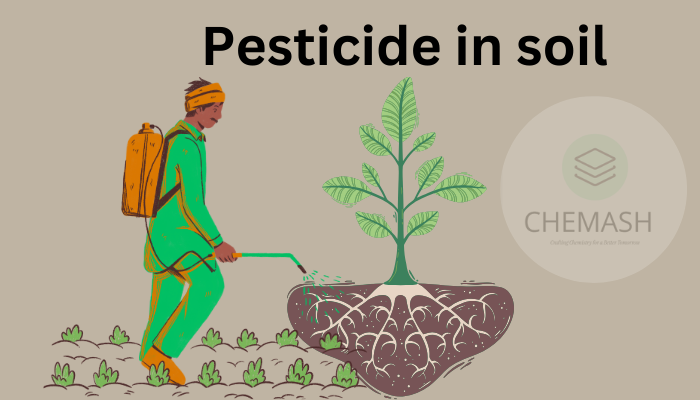
- Insecticides: Kill insects (e.g., Malathion, historically DDT). कीटों को मारने के लिए
- Fungicides: Control fungal diseases (e.g., Bordeaux mixture, Mancozeb). फफूँद नियंत्रण
- Rodenticides: Control rodents (e.g., Zinc phosphide). चूहों के लिए
3. Herbicides / जुताई-विरोधी
Chemicals to control unwanted plants (weeds).
- Selective herbicides: Target specific weeds (e.g., 2,4-D). विशेष जुताई-विरोधी
- Non-selective herbicides: Kill most vegetation (e.g., Glyphosate). सर्व-प्रभावी (ग्लाइफोसेट)
4. Fungicides / फफूंदनाशक
Prevent or treat fungal infections on crops; can be systemic or contact-based.
Example: Bordeaux mixture (copper sulfate + lime) — traditional protective fungicide. बोर्डो मिश्रण: तांबे का सल्फेट + चूना
5. Plant Growth Regulators (PGRs) / विकास नियामक
Compounds that modify growth and development of plants.
- Auxins (e.g., IAA): Promote cell elongation. कोशिका लंबाई बढ़ाते हैं
- Gibberellins: Promote stem elongation and seed germination. बीज अंकुरण और तने का विकास
- Cytokinins: Promote cell division. कोशिका विभाजन बढ़ाते हैं
- Ethylene: Promotes fruit ripening. फल पकाने में मदद
- Abscisic acid: Inhibits growth; promotes dormancy. विकास रोकता और सुतक बढ़ाता
Environmental Concerns / पर्यावरणीय चिंताएँ
Excessive use of agricultural chemicals can cause:
- Soil and water pollution. मिट्टी और जल प्रदूषण
- Pesticide resistance in target pests. कीटों में प्रतिरोध का विकास
- Health hazards to humans and animals. मानव व पशु स्वास्थ्य जोखिम
- Loss of beneficial insects and soil organisms. लाभकारी कीट व सूक्ष्मजीवों का नुकसान
Adopt integrated and sustainable practices (IPM, balanced fertilizer use, biological controls) to minimize risks. IPM और जैविक नियंत्रण जैसी टिकाऊ विधियाँ अपनाएँ।
MCQs / बहुविकल्पीय प्रश्न
- Which fertilizer contains ~46% nitrogen?
a) Superphosphate b) Urea ✅ Urea (CO(NH₂)₂)
c) Potassium nitrate d) Ammonium sulfate - Which mixture is a traditional fungicide?
a) Bordeaux mixture ✅ Copper sulfate + lime
b) 2,4-D c) Glyphosate d) IAA - Glyphosate is a:
a) Selective herbicide b) Non-selective herbicide ✅ Non-selective
c) Fungicide d) Fertilizer
Fill in the blanks / रिक्त स्थान भरें
1. Urea chemical formula is CO(NH₂)₂. यूरिया का सूत्र CO(NH₂)₂ है।
2. A traditional fungicide made from copper sulfate and lime is called Bordeaux mixture. बोर्डो मिश्रण
3. A plant hormone that promotes fruit ripening is Ethylene. एथिलीन
Quick Quiz / त्वरित प्रश्नोत्तरी
- Explain one environmental risk of excessive pesticide use and one mitigation strategy.
कीटनाशक अधिक उपयोग का एक पर्यावरणीय जोखिम और समाधान बताइए। - Describe why balanced N-P-K application matters for soil health.
मिट्टी के स्वास्थ्य के लिए संतुलित N-P-K क्यों आवश्यक है?
Expected short answers: Resistance, contamination > use IPM/biological controls. Balanced nutrients prevent nutrient depletion and soil acidification.
FAQs / अक्सर पूछे जाने वाले प्रश्न
Q1: Are all pesticides harmful to humans?
A: Not all — toxicity varies by chemical, dose, and exposure. Proper use and PPE reduce risks. सभी हानिकारक नहीं; सही उपयोग और सुरक्षा उपकरण ज़रूरी हैं।
Q2: Can organic farming avoid these chemicals?
A: Organic farming minimizes synthetic chemicals, but uses approved natural alternatives and integrated pest management. ऑर्गेनिक खेती सिंथेटिक रसायनों को कम करती है और प्राकृतिक विकल्प अपनाती है।
Q3: How to reduce pesticide resistance?
A: Rotate modes of action, use biological controls, and follow threshold-based spraying (IPM). क्रिया मोड बदलें, जैविक नियंत्रण और IPM अपनाएँ।
