
Hydrocarbons, organic compounds composed exclusively of carbon and hydrogen atoms, are classified into alkanes, alkenes, alkynes, and aromatic hydrocarbons. Each class has specific methods for its preparation, both industrially and in the laboratory.
Table of Contents:
- Preparation of Alkanes
- Preparation of Alkenes
- Preparation of Alkynes
- Preparation of Aromatic Hydrocarbons
- Practice Quiz
- FAQs
- Summary
1. Preparation of Alkanes
- Wurtz Reaction: Alkyl halides react with sodium in dry ether to form higher alkanes.
Example: 2CH3Cl + 2Na → C2H6 + 2NaCl - Reduction of Alkyl Halides: Using Zn/acid or catalytic hydrogenation.
- Decarboxylation: Sodium salts of acids + soda lime → alkanes with one less C.
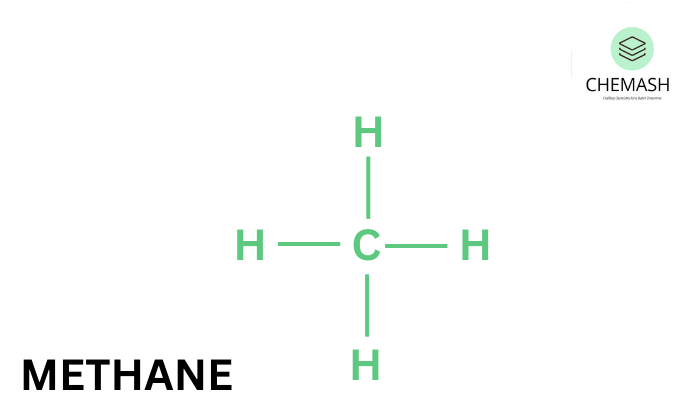
Example: Sodium acetate → Methane - Hydrogenation: Alkenes/alkynes + H₂ (Pt, Pd, Ni catalyst).
- Petroleum Source: Fractional distillation and cracking.
2. Preparation of Alkenes
- Dehydration of Alcohols: Heat alcohols with conc. H₂SO₄/alumina.
Example: Ethanol → Ethene - Dehydrohalogenation: Alkyl halides + alcoholic KOH → alkenes.
- Cracking: Thermal/catalytic breakdown of petroleum fractions.
- From Alkynes: Partial hydrogenation.
3. Preparation of Alkynes
- Dehydrohalogenation of Dihalides: Vicinal/geminal dihalides + alcoholic KOH.
Example: 1,2-dibromoethane → Ethyne - From Alkyl Dihalides: Multiple eliminations.
- From Calcium Carbide: CaC₂ + H₂O → Acetylene.
4. Preparation of Aromatic Hydrocarbons
- From Coal Tar: Fractional distillation yields benzene, toluene, etc.
- Catalytic Reforming: Aliphatics → aromatics (Pt catalyst).
- Decarboxylation: Sodium benzoate + soda lime → Benzene.
- Reduction of Phenols: Phenol + Zn → Benzene.
- Trimerization of Acetylene: High temp + catalyst → Benzene.
Practice Quiz — Preparation of Hydrocarbons
MCQ
Which reaction is used for preparation of higher alkanes?
- A. Kolbe’s reaction
- B. Wurtz Reaction ✔
- C. Friedel-Crafts
- D. Cannizzaro reaction
Fill in the Blank
Calcium carbide reacts with water to produce _____. (Answer: Acetylene/Ethyne)
True/False
Dehydration of alcohols produces alkanes. False
Frequently Asked Questions
Q1: What is the Wurtz reaction used for?
Ans: It prepares higher alkanes by coupling alkyl halides with sodium in dry ether.
Q2: How is acetylene prepared in the lab?
Ans: By reacting calcium carbide with water.
Q3: Which process converts aliphatics into aromatics?
Ans: Catalytic reforming using platinum catalyst.
Summary:
Hydrocarbons can be synthesized by multiple methods: Alkanes by Wurtz reaction, decarboxylation, hydrogenation; Alkenes by dehydration, dehydrohalogenation, cracking; Alkynes by dehydrohalogenation or from calcium carbide; Aromatic hydrocarbons from coal tar, catalytic reforming, or acetylene trimerization.
📖 Related topics: Hydrocarbons Overview, Aromatic Hydrocarbons
🔗 External resource: LibreTexts Organic Chemistry

Pingback: alkenes-definition-properties-reactions-preparation-isomerism-uses