
Polymers and Plastics in Daily Life
Polymers are large molecules made of repeating subunits called monomers. These versatile materials are the backbone of countless products — from containers and clothing to furniture and electronics. When synthetic and moldable, they are known as plastics.
1. What Are Polymers?
Polymers can be naturally occurring (like starch, cellulose, or proteins) or synthetic (like nylon, polyethylene, or PVC). Their structure and chemistry define properties such as flexibility, strength, and resistance.
2. Types of Polymers
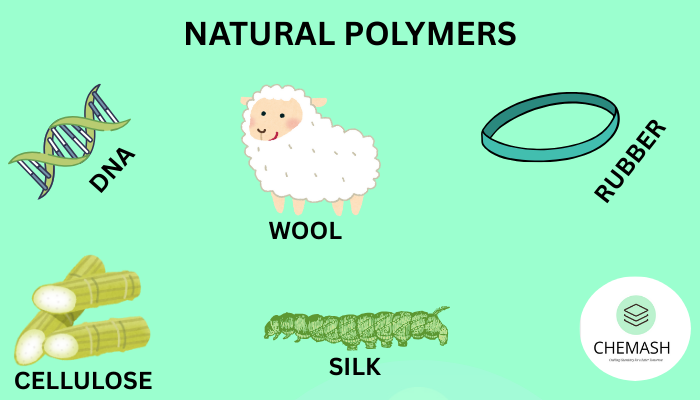
- Natural Polymers: Rubber, DNA, silk, wool, proteins, cellulose
- Synthetic Polymers: Plastics, nylon, polyester, Teflon, acrylics, Bakelite
3. Classification of Plastics
- Thermoplastics: Soften on heating, harden on cooling (e.g., polyethylene, PVC).
- Thermosetting Plastics: Harden permanently after heating (e.g., Bakelite, melamine).
4. Everyday Applications
- Packaging: Bags, bottles (PE, PP, PET)
- Textiles: Nylon, polyester, spandex
- Electronics: PVC insulation, epoxy boards
- Furniture: Polycarbonate chairs, polyurethane foam
- Healthcare: Syringes, IV bags, prosthetics
- Construction: PVC pipes, paints, adhesives
5. Advantages of Plastics
- Lightweight and durable
- Waterproof and corrosion-resistant
- Moldable into various shapes
- Cost-effective and versatile
6. Environmental Concerns
- Non-biodegradable: Take centuries to decompose
- Pollution: Cause land, water & marine pollution
- Recycling Issues: Difficult sorting & processing
7. Sustainable Solutions
- Biodegradable Plastics: PLA, starch-based
- Recycling Programs: Reduce landfill waste
- Eco-alternatives: Cloth bags, bamboo, metal straws
Conclusion
Polymers and plastics are vital to modern life, but their impact on the environment demands responsible use and eco-friendly innovations.
Learn more about Chemistry in Everyday Life or explore UNEP Plastic Pollution Campaign.
MCQs
Q1: Which is a natural polymer?
a) PVC b) Nylon c) Rubber d) Teflon
Answer: Rubber ✅
Q2: Thermosetting plastics…
a) Soften on heat b) Harden permanently c) Reshape many times
Answer: Harden permanently ✅
True/False
Nylon is synthetic. ✅ True
Plastics are biodegradable. ❌ False
Fill in the Blanks
1. Repeating units in polymers are called monomers.
2. PVC stands for Polyvinyl Chloride.
FAQs
Q1. What are polymers in simple words?
Large molecules made of repeating units (monomers).
Q2. Why harmful?
Non-biodegradable, cause pollution.
Q3. Difference between thermoplastics & thermosetting?
Thermoplastics reshape on heating; thermosetting harden permanently.
हिंदी में (Polymers and Plastics in Daily Life)
पॉलिमर बड़ी अणु होते हैं, जो छोटे-छोटे मोनोमर से मिलकर बने होते हैं। यह हमारे दैनिक जीवन में उपयोग होने वाले वस्तुओं की रीढ़ हैं।
- प्राकृतिक पॉलिमर: रबर, रेशम, ऊन, डीएनए
- कृत्रिम पॉलिमर: नायलॉन, पॉलिएस्टर, पीवीसी
लाभ: हल्के, मजबूत, जलरोधक।
हानि: अपघटन न होना, प्रदूषण।
समाधान: बायोडिग्रेडेबल प्लास्टिक, कपड़े के थैले, बांस उत्पाद।

Pingback: Acidity and Basicity | Chemistry Explained with Examples - CHEMASH
I actually wanted to develop a quick message in order to appreciate you for all of the precious suggestions you are sharing on this site. My time consuming internet investigation has at the end been honored with reliable strategies to exchange with my friends and classmates. I would assert that we site visitors are unquestionably endowed to be in a useful community with many perfect professionals with helpful principles. I feel very privileged to have seen your entire web pages and look forward to tons of more entertaining moments reading here. Thanks a lot once again for a lot of things.
Thank you so much for your kind and thoughtful words!
Wishing you continued success in your studies and research — we’re glad to have you as part of the CHEMASH family!
— Team CHEMASH
THANK YOU SO MUCH
THANK YOU SO MUCH